
Choose the order route your kitchen can operate at peak times
The advantages and disadvantages of an online food ordering system show up most clearly during the busiest service. A restaurant can remove telephone queues, accept repeat orders and publish accurate menus through a direct site. It can also inherit responsibility for payment problems, unavailable dishes and delivery handoffs that a marketplace would otherwise help manage. Compare those responsibilities using the same menu, shift and group of addresses. A clear trial gives a restaurant owner more evidence than a comparison of commission rates or a demonstration of an attractive storefront.
Begin with one documented service period and distinguish how the customer found the restaurant from who accepts the order. A marketplace may bring a diner to the menu and collect payment. A direct page can sell to an existing guest and route pickup to the kitchen. The restaurant can choose different combinations for weekday lunches and busy evenings. Identify which systems the staff must watch, the party that collects funds and the route a diner follows to resolve a delayed order before choosing to offer all combinations.
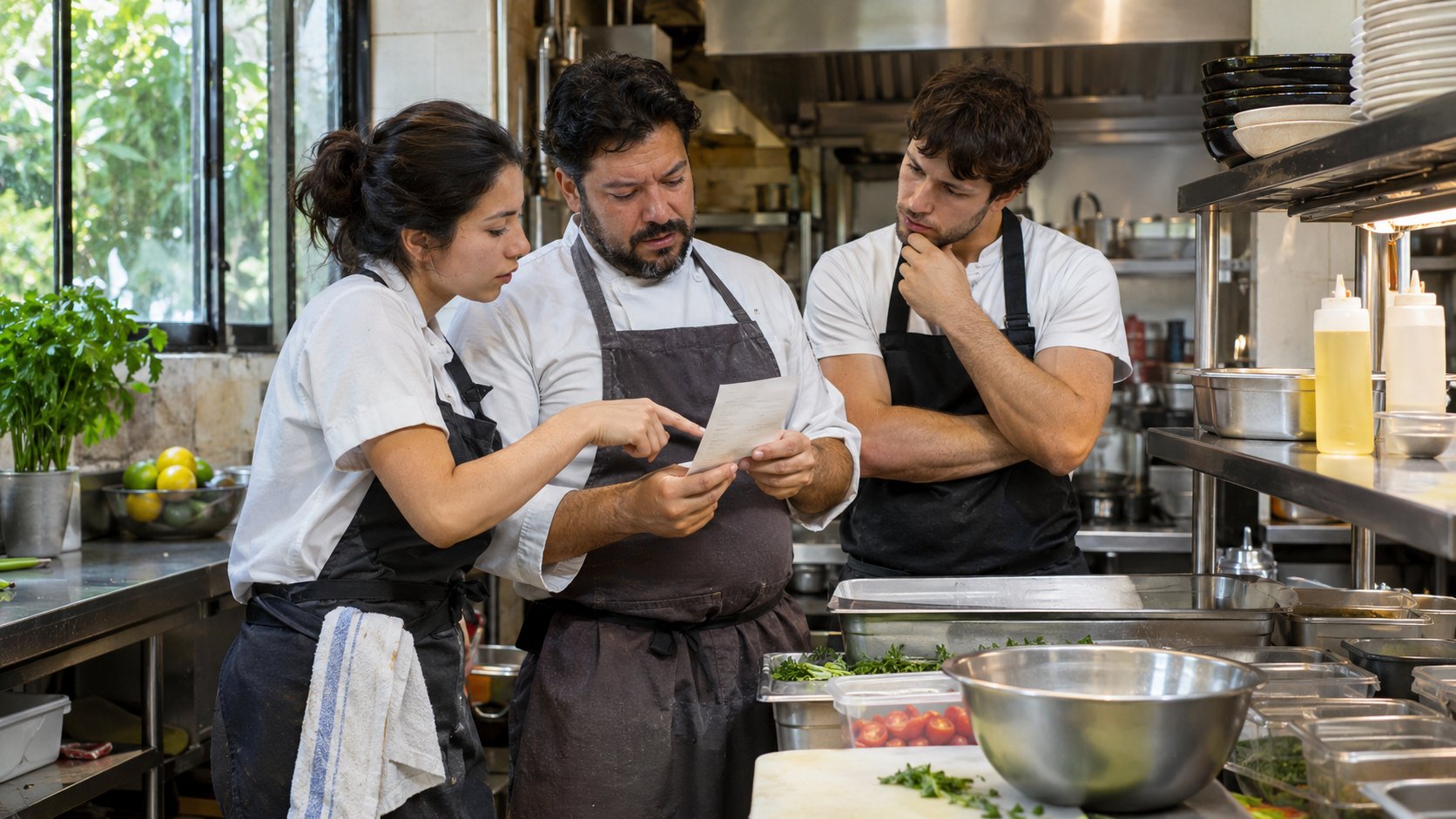
Add the people who carry out the work to the pilot. An owner may know the promotional costs while a shift lead knows how many orders can be accepted between several dine-in reservations. The person packing orders knows where duplicate instructions appear. A support employee knows what information a guest will ask for when the order confirmation is missing. Watch a shift with their knowledge in mind and collect observations without asking staff to work around an unfinished product in production.
Follow the commitment from menu to pickup
Give each actor an action and a record of its outcome. The diner chooses meals and requests a time. The restaurant acknowledges the request, accepts the feasible amount of work and then prepares the order. A collector or courier receives the packed order, and any later delivery has its own evidence. A package may be collected while the customer still waits at the destination. Give the shift team a way to tell an accepted order from an expiring request, and display the same meaning in confirmation messages and status pages.
Consider a restaurant with a shared fryer, a separate preparation station and a small area for warmed collection. An apparent capacity of ten orders per quarter hour may be reasonable when customers order soup, and excessive when eight orders call for several batches of fried items. Decide whether the pilot can use simple order counts or needs station limits and a different service estimation method. Expecting a small menu in the first trial is practical when the selected dishes exercise the main constraints.
Clarify how the restaurant handles service restrictions and ingredient questions. Use the actual food information, approved wording and staff procedure for the location and dining model. Orders can include instructions accepted by the kitchen and information for display only. A guest typing a note should know when the order requires a conversation before acceptance. Keep details that the courier needs separate from the preparation record and ask a staff member to verify which message reaches each party.
Compare the economics using the same group of orders
Use a fictional restaurant called Willow Counter for a comparison. Consider one order with a selling amount of 36 currency units, an ingredient cost of 11, packaging of 2 and variable kitchen labour of 5. The example excludes sales tax, fixed overhead, loyalty subsidies, VAT handling, tips and complex adjustments. Ask the person preparing your own comparison to supply the real settlement and expense figures under their approved procedures. A test with invented numbers lets the product and operations teams learn which fields and states they need.
| Route | Shared production costs | Extra paid route costs | Remainder from 36 |
|---|---|---|---|
| Restaurant-owned pickup | 18 | 1.20 payment and 0.80 support | 16.00 |
| Restaurant-owned delivery | 18 | 1.20 payment, 0.80 support and 5.00 dispatch | 11.00 |
| Marketplace delivery | 18 | 8.10 combined example channel fees | 9.90 |
For this scenario the same number of meals produces a higher contribution through direct pickup. Volume and preparation patterns can change the decision. Ten pickup orders at a remainder of 16 generate 160 units before any fixed or skipped costs. Twenty marketplace deliveries at a remainder of 9.90 generate 198 under the same simplifications. Before projecting either result, check whether the extra orders can be served without impairing existing operations, how staff time changes and how many additional customers would otherwise have ordered.
Add discounts and reimbursements as separate records in the pilot. If a marketplace funds part of a promotion, the displayed price and the amount the restaurant receives may have different components. If the restaurant provides a coupon, check its effect on the approved allocation of order costs. Use one anonymised settlement and compare it with the line items the kitchen actually packed. Finance should be able to locate an adjustment without reusing a menu price from another month.
Measure uncertainty around the customer relationship
Direct ordering may support consistent presentation and repeat visits. Confirm what data the business can use under its actual permissions, and which consent or settings apply to communications. A completed pickup is useful operational evidence. Any subsequent marketing purpose has its own applicable policy. Discuss with the authorised owner how you will measure repeat business and calculate results without pulling contact details into a reporting tool whose users only need aggregates.
A marketplace route can be useful when it supplies discovery and fulfilment that an individual restaurant cannot operate with its available resources. Estimate where those customers come from and when they are likely to order. A seasonal demand increase can consume capacity during the shifts that restaurant staff already find crowded. Track results by time and route, and review whether the apparent performance comes from an established client base, a discount or genuinely available kitchen time.
For a lightweight first trial, use the menu and preparation plan common to both routes. Compare the number of started requests, accepted orders and orders completed under observed conditions. A bigger number at the top of the funnel can coincide with longer waits or refunds. Discuss the costs of late or inaccurate recovery with the person who will own support. At the end of each shift save the outcomes and identify where measurement relies on an estimate.
Run a controlled kitchen capacity test
At 18:00 Willow Counter has room to produce eight ordinary meals in the 18:15 window. The dine-in team has already reserved three units. One order from a marketplace uses two further units and a direct pickup request asks for two. The shift lead expects one ordinary meal remains available when both orders are accepted. Record the inputs, the purchase windows and the result. An accepted later window may be suitable for another diner if the restaurant can fulfil it under the displayed terms.
Rehearse a brief queue delay. A direct customer opens the menu while the marketplace submission is still waiting for a decision. The point of acceptance should evaluate current capacity before confirming additional preparation. Keep the pending orders visible so supervisors can explain why checkout asks a diner to choose another time. If the restaurant allows staff to supply a manual exception, capture who can make it and which stations can actually meet the commitment.
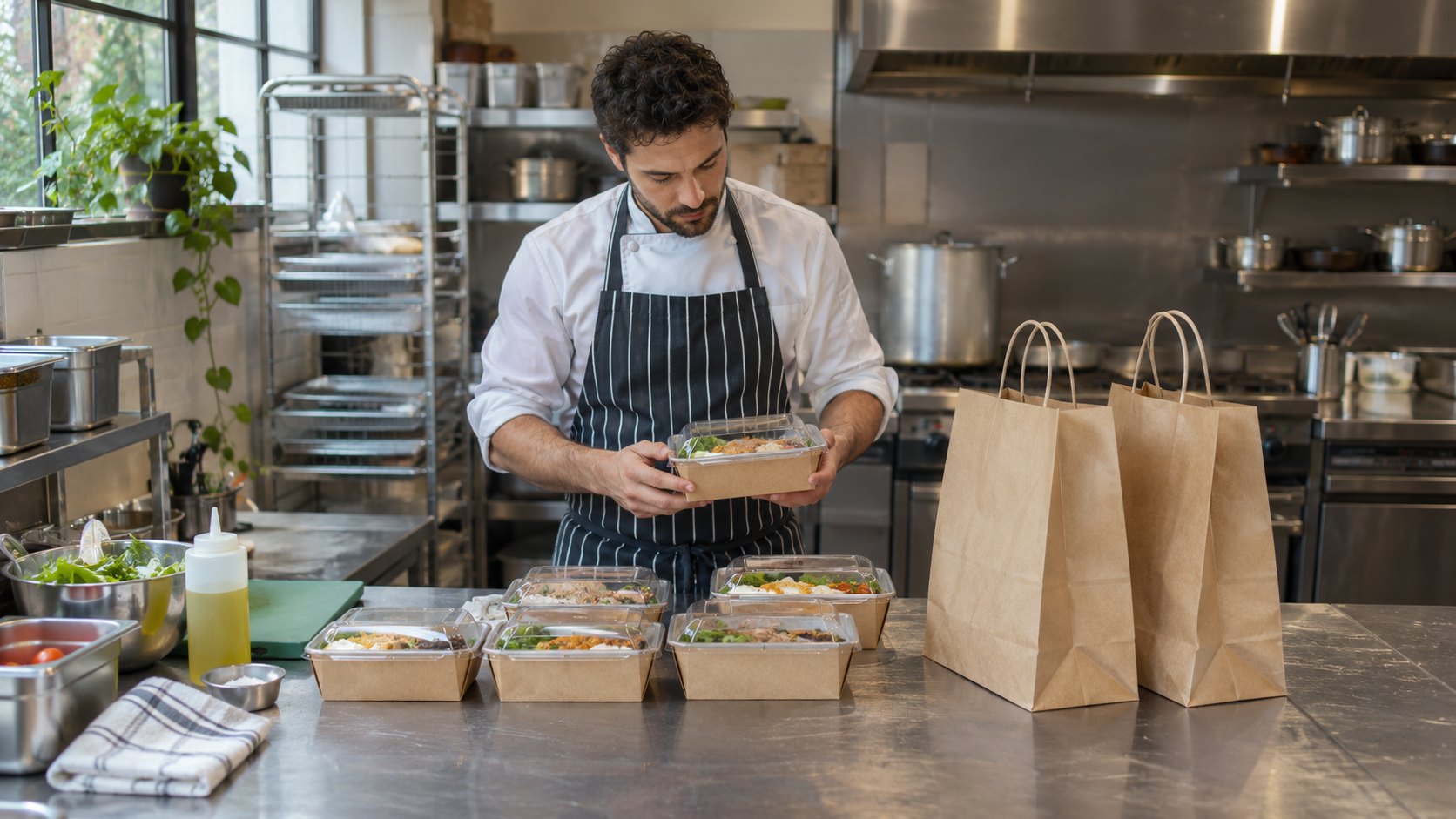
Handle pickup and delivery separately in the same capacity record where they share kitchen work. The amount of spare kitchen effort might be sufficient for pickup while there are no delivery windows within the route. Set customer messaging from the service that will operate the order. A promised collect time needs separate preparation and collection readiness evidence. A delivery estimate has another party or process through which an issue may need to be reviewed.
Test the cost of an interruption while accepting orders
Interrupt the internet connection after staff select accept but before the tablet receives the result. The order should recover to a known state using the appropriate reference. If acceptance is still uncertain, show who can decide what to prepare and whether the order should be left pending for investigation. Request one run when the payment service also takes longer than normal. The team should retain what it knows about payment and kitchen acceptance as separate evidence.
Try a duplicate submission as an operational test. Have a test diner unknowingly retry an order after reloading a page that already submitted it. The customer interface should help them find the existing request and explain whether payment or acceptance is still pending. If the restaurant deliberately permits two identical orders, give staff a method of recognising the actual distinct commitments. Verify kitchen receipts and the order ledger together before deciding that a duplicate prevention control works.
The Square guide to order fulfilments illustrates how a platform distinguishes fulfilment from the encompassing order and can model individual fulfilment actions. Read the rules for your own configured order channel before presuming it allows revisions or split fulfilment. Ask a provider to demonstrate the exact transition that matters at your restaurant and save its observed outcome. A documented integration option should be judged by what the kitchen and support staff can use.
Decide what to do when an accepted dish is unavailable
Give the kitchen a way to communicate a stock issue affecting an accepted order. In the fixture a guest paid the 36-unit total for three items and one dish priced at 8 becomes unavailable before production. Decide in advance which people can propose changes and whether the diner can be reached within the relevant window. A substitution may require approval under the chosen service policy. The original purchase terms, revised line and guest consent should be recoverable using the same reference.
Build the pilot to exercise all three paths the restaurant actually supports. One request may finish with an approved replacement, another with a reduced order and the intended payment adjustment, and another may have to be cancelled. Show staff how to detect orders already being packed while a change is still pending. The person who issues a refund can use a record of the items involved and the current payment status instead of relying on chat summaries.
The Square refund documentation provides an example of issuing and tracking a separate payment action. Use the applicable rules of each connected payment or marketplace channel for actual orders. Check a partial refund, a missing final response and a disabled refund action for an unauthorised account. The customer should be able to learn what the restaurant has agreed, when the outcome is pending and how to ask about it.
Keep a promised order visible at the handoff
Imagine a courier reaches the restaurant before the kitchen can pack the replacement. The shift lead needs the current readiness of the order, the person collecting and the time they arrived. The diner can see a suitable update without seeing the staff's private discussions. Staff should be able to tell whether the revised pickup is accepted by the collector. Document which information is collected for each role and limit shared guest details to what the service actually requires.
Have two diners use pickup numbers that look similar. Ask the person at the counter to hand one order to a tester using a correct reference and check how the other order is kept separate. Record what gets marked as picked up and who performs that action. Determine which evidence will be needed if a customer reports that they received a different meal. Keep the record simple enough to use with wet hands or a busy counter under the approved working conditions.
At least one test should cross a shift change. Ask the first employee to leave a pending shortage and dispatch note. Have a second employee use the actual support queue to determine whether the problem is unresolved, who expects an answer and when contact is due. The record should help them locate the customer's last relevant message while keeping any other customer's details out of sight. Capture how long it takes to act and what they otherwise would have needed to ask.
Compare the administrative trade-offs at the end of each week
Track manager time for changing a menu item and checking a price. An owned ordering route can be convenient when the restaurant can make the change quickly and show when it takes effect. A provider may make product updates easier through a familiar tool or require steps to align schedules across locations. Check what happens if a scheduled edit is published for tomorrow while the kitchen still operates today's menu. Test one correction after orders have already been accepted.
Count support work using categories the staff understands. Examples include change requested, missing pickup, failed payment, suspected double order, late courier and refunded dish. Use a small set so reviewers can finish the work while operating. Look at the rate of issues per accepted order and the time per issue. A lower refund volume is easier to interpret when the person auditing the pilot knows whether failures were documented across every channel during equally busy periods.
Agree what the system can display during an outage. The restaurant may temporarily stop a particular fulfilment type, shorten its menu or use an approved alternative. Decide how open orders remain available to staff, how incoming requests are paused and who confirms the restart. Run a small tabletop exercise and check that regular customers can see a clear service message or get appropriate assistance from the restaurant's established route.
Use evidence and permissions as purchase criteria
Request a demonstration that starts at a specific store and ends with a support or accounting question. A lead should navigate from a supplied reference to the order progress, approved modifications and receipt correction. Invite staff to perform the steps using their future permissions. Verify which exports and data access will be available if the restaurant changes provider. A busy counter team needs accessible controls and clear feedback, as well as an accurate customer screen.
Compare system costs and the time needed to train staff on the scenario. A subscription can include some support and require separate setup for integration, managed menus or additional sites. Ask who investigates mismatches between kitchen and payment records. A provider comparison is useful when the evaluation records which party will do each part of the work and whose numbers will appear in the financial model. Confirm the agreement before assigning hoped-for savings to the pilot.
Choose the next experiment using restaurants' real constraints
Summarise the first pilot by channel, service window and stage. Count accepted orders that the kitchen completed, orders collected, cancellations and payments needing review. Assess menu updates, waiting time and which people were needed when a mistake occurred. Preserve the observed scope and data collection limitations. Combining operational and commercial evidence makes the advantages and disadvantages of an online food ordering system meaningful for the restaurant's next decision.
Test a second service window only when the shift lead can explain how much spare capacity existed and what would consume it. Select a small change with a clear outcome. Examples include increasing the published pickup interval, assigning another staff member at the counter or closing delivery earlier during rush hour. Review one on-time order and one missed expectation after the change. Staff should know where to put the evidence and who will review it with them.
Bring the final choice back to customer promises. Willow Counter can offer direct pickup to repeat diners and use a marketplace for selected delivery windows. Another branch with different logistics could choose a different mix. Set safeguards for quantities, ownership and service updates before expanding. Repeat the narrow trial after staffing or supplier changes and record the latest outcome against the original conditions. The model is useful when its assumptions remain clear to the teams relying on it.
Try the calculation again with late orders and refunds
Run a second comparison where the mix differs by service date. A family orders meals for pickup after posting a correction to the kitchen time. Two later requests are still undecided when the counter closes. Ask a reviewer to record which accepted orders actually fulfilled, which are still unresolved, and which stopped before the restaurant owed any work. Count the order transformations using the same rule in all channels. A cancelled payment with no prepared food has different operating consequences from a full refund issued after ingredients and labour were spent.
Use six marketplace orders and six direct delivery orders to illustrate why comparing the invoice percentage alone is insufficient. If every order followed the 36-unit example, the marketplace cohort would leave 59.40 units and the direct delivery cohort would leave 66.00 before out-of-scope costs. In a separate worksheet assign a full unrecovered loss of 36 units to one already prepared direct order and a 12-unit partial adjustment to one marketplace order, with production and channel expenses assumed unchanged for the exercise. The remainders would then be 30.00 and 47.40. The assumptions need to be replaced with actual allowable settlement values before the calculation informs a purchase.
Review what would make the variance permanent. Direct delivery might have had a route timing problem, or one customer might have been unavailable despite a correctly operated service. Differentiate affected addresses, request types and elapsed waiting times with aggregate information where possible. Decide whether your first correction is an operational practice, a menu change or an improved route notification. A sound comparison explains which parts of profit come from each route and how recovery costs can change them.
A restaurant with two sites can run the experiment at one initially and use the other as an independent review audience. Ask the second shift lead to explain the intake and recovery controls from the worksheet and sample orders. Check whether their different station count, travel distance or staff training invalidates important assumptions. Plan other rollout sites individually when they cannot operate the same service hours, availability or cash handling. A measured trial can reveal that direct pickup is ready at both locations while one should postpone courier delivery.
Set a date to revisit each channel's service promise when the experiment ends. Store the direct menu, partner agreement references and the figures used in the worksheet together with the decisions that followed. The next person should know whether closing a route, altering an order limit or adjusting a discount was within the original scope. An evidence-based decision is easier to explain to staff when the chosen system reflects the normal service they actually run.